Have you ever found yourself reacting more strongly to a situation than you intended? Perhaps a simple disagreement turned into an argument, a comment felt deeply hurtful, or a stressful day caused you to lose your patience. If so, you’re not alone.
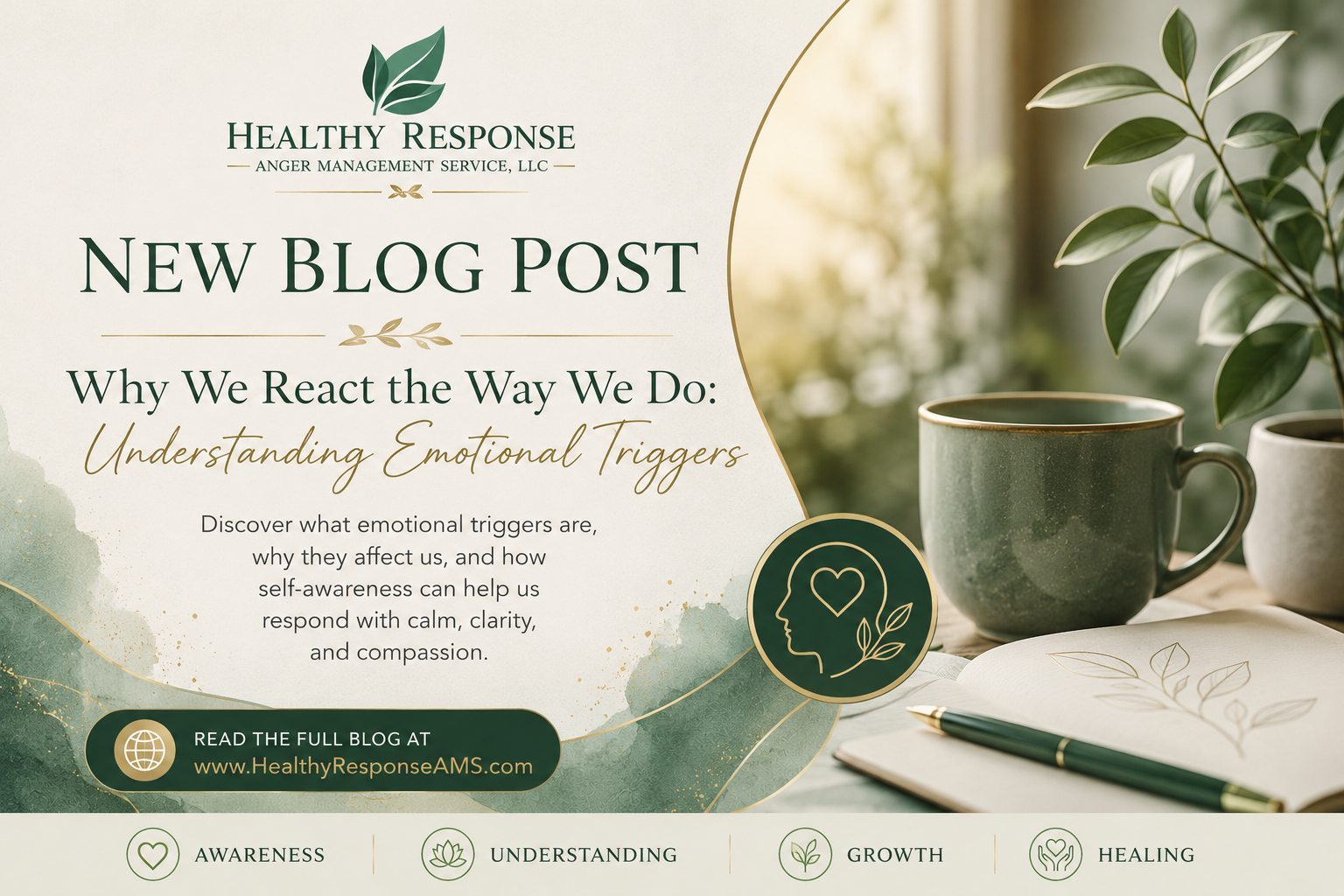
Our emotional reactions are often influenced by something deeper than the situation itself. These deeper influences are called emotional triggers, and understanding them can be one of the most powerful steps toward healthier relationships and emotional well-being.
What Are Emotional Triggers?
An emotional trigger is a situation, event, word, behavior, or memory that causes a strong emotional reaction. Triggers can lead to feelings of anger, sadness, fear, anxiety, frustration, or even shame.
Often, our reactions are not solely about what is happening in the present moment. Instead, they may be connected to:
- Past experiences
- Childhood memories
- Previous relationships
- Unresolved grief or trauma
- Feelings of rejection or abandonment
- Stress and emotional exhaustion
- Fear of failure or criticism
Understanding your triggers can help you respond thoughtfully instead of reacting impulsively.
Common Emotional Triggers
While everyone’s experiences are unique, some common emotional triggers include:
Feeling Disrespected
Many people become angry when they feel ignored, dismissed, or unappreciated.
Criticism
Even constructive feedback can trigger feelings of inadequacy or defensiveness.
Being Misunderstood
Feeling unheard or invalidated can create frustration and resentment.
Loss of Control
Unexpected changes or uncertainty often create stress and anxiety.
Rejection or Abandonment
Past experiences with rejection can make current situations feel more painful than intended.
Feeling Overwhelmed
Stress, lack of sleep, and emotional fatigue can lower our ability to manage emotions effectively.
Why Do Triggers Matter?
When we don’t recognize our emotional triggers, we often react automatically. These reactions can lead to:
- Arguments and relationship conflict
- Damaged trust
- Increased stress and anxiety
- Feelings of guilt or regret
- Difficulty communicating effectively
The good news is that emotional triggers can be managed with awareness and practice.
How to Respond More Effectively to Triggers
1. Pause Before Reacting
Take a deep breath and give yourself a moment to process your feelings.
2. Identify the Emotion
Ask yourself:
- What am I feeling right now?
- Why does this situation feel so intense?
3. Look Beneath the Surface
Sometimes anger is covering deeper emotions such as hurt, fear, sadness, or disappointment.
4. Communicate Clearly
Express your feelings respectfully and honestly rather than reacting impulsively.
5. Practice Self-Awareness
The more you understand your triggers, the more control you gain over your responses.
Healing Starts with Understanding
Emotional triggers are not signs of weakness. They are opportunities to learn more about ourselves and to heal areas that may need attention and care.
At Healthy Response Anger Management Services, we help individuals develop self-awareness, improve emotional regulation, strengthen relationships, and learn healthy ways to respond to life’s challenges.
The goal isn’t to eliminate emotions. The goal is to understand them, manage them, and respond in ways that promote growth, healing, and healthier relationships.
Final Thoughts
You may not be able to control every situation that happens in your life, but you can learn to control how you respond.
The journey toward emotional wellness begins with awareness, and every healthy response starts with a single pause.
Need support managing anger, emotional triggers, or relationship challenges?
Healthy Response Anger Management Services is here to help.
📞 (470) 814-0988
📧 HealthResponseAMS@gmail.com
🌐 www.HealthyResponseAMS.com
Awareness. Understanding. Growth. Healing.